
Textile design is essentially the process of creating designs
for woven, knitted or printed fabrics or surface ornamented fabrics.
Textile designers are involved with the production of these designs,
which are used, sometimes repetitively, in clothing and interior decor
items.
The field encompasses the actual pattern making while supervising the production process. In other words, textile design is a process from the raw material into finished product. Fiber, yarn and finishes are the key elements to be considered during the textile design procedure.
These examples illustrate the significance of textiles in our daily lives. The creations of textiles are not only important for their use, but also for the role they play in the fashion industry. Textile designers have the ability to inspire collections, trends, and styles. The textile industry, while being a creative art form, is a very business savvy industry.
Textile designers marry a creative vision of what a finished textile will look like with a deep understanding of the technical aspects of production and the properties of fiber, yarn, and dyes.
The creative process often begins with different art mediums to map concepts for the finished product. Traditionally, drawings of woven textile patterns were translated onto special forms of graph paper called point papers, which were used by the weavers in setting up their looms.
Today, most professional textile designers use some form of computer-aided design software created expressly for this purpose.Some of the latest advances in textile printing have been in the area of digital printing. The process is similar to the computer controlled paper printers used for office applications. In addition, heat-transfer printing is another popular printing method to be used in the textile design. Patterns are often designed in repeat to maintain a balanced design even when fabric is made into yardage. Repeat size is the distance directly across or down from any motif in a design to the next place that same motif occurs. The size of the repeat is determined by the production method. For example, printed repeat patterns must fit within particular screen sizes while woven repeat patterns must fit within certain loom sizes. There are several different types of layouts for repeated patterns. Some of the most common repeats are straight and half drop. Often, the same design is produced in many different colored versions, which are called colorways. Once a pattern is complete, the design process shifts to choosing the proper fabrics to get the design printed on or woven into the fabric
Designers might want to use the method of dyeing or printing to create their design. There are many printing methods.
So, what exactly does a textile designer do? Picture yourself working for a company that makes special novelty socks. They want their socks to sell better than anybody else's so they hire a textile designer (you) to make their socks the best. Not all textile designers get to choose the materials they work with, but this sock company has the time and money to invest in the best product possible, so they give their textile designers a lot of power. One of your first steps is to pick the materials used to create these socks. Socks need to be soft, thick enough for cushioning, lightweight enough for comfort, strong enough for prolonged use, and absorbent. So, you choose to avoid a fragile material like linen or a course material like hemp. Cotton is a good option, as are synthetic fabrics like polyester.
Textile designers that have control over this part of the process have a lot of decisions to make. Besides just picking the fabrics, they may also need to consider what fiber types, yarn sizes, or kinds of dyes will be used, as well as how those dyes will be applied. Are you going to print the design by hand or with a machine? Should the fabrics be bleached or left natural? Are any parts of the design going to be embroidered or sewn? There's a lot to think about.
The field encompasses the actual pattern making while supervising the production process. In other words, textile design is a process from the raw material into finished product. Fiber, yarn and finishes are the key elements to be considered during the textile design procedure.
Overview
Textile designing is a creative field that includes fashion design, carpet manufacturing and any other cloth-related field.Textile design fulfills a variety of purposes in our lives. For example, our clothing, carpets, drapes, towels, and rugs are all a result of textile design.These examples illustrate the significance of textiles in our daily lives. The creations of textiles are not only important for their use, but also for the role they play in the fashion industry. Textile designers have the ability to inspire collections, trends, and styles. The textile industry, while being a creative art form, is a very business savvy industry.
Textile designers marry a creative vision of what a finished textile will look like with a deep understanding of the technical aspects of production and the properties of fiber, yarn, and dyes.
The creative process often begins with different art mediums to map concepts for the finished product. Traditionally, drawings of woven textile patterns were translated onto special forms of graph paper called point papers, which were used by the weavers in setting up their looms.
Today, most professional textile designers use some form of computer-aided design software created expressly for this purpose.Some of the latest advances in textile printing have been in the area of digital printing. The process is similar to the computer controlled paper printers used for office applications. In addition, heat-transfer printing is another popular printing method to be used in the textile design. Patterns are often designed in repeat to maintain a balanced design even when fabric is made into yardage. Repeat size is the distance directly across or down from any motif in a design to the next place that same motif occurs. The size of the repeat is determined by the production method. For example, printed repeat patterns must fit within particular screen sizes while woven repeat patterns must fit within certain loom sizes. There are several different types of layouts for repeated patterns. Some of the most common repeats are straight and half drop. Often, the same design is produced in many different colored versions, which are called colorways. Once a pattern is complete, the design process shifts to choosing the proper fabrics to get the design printed on or woven into the fabric
Designers might want to use the method of dyeing or printing to create their design. There are many printing methods.
- Direct (Blotch) Printing
- Overprinting
- Discharge Printing
- Resist Printing
- Block Printing
- Roller Printing
- Screen Printing
So, what exactly does a textile designer do? Picture yourself working for a company that makes special novelty socks. They want their socks to sell better than anybody else's so they hire a textile designer (you) to make their socks the best. Not all textile designers get to choose the materials they work with, but this sock company has the time and money to invest in the best product possible, so they give their textile designers a lot of power. One of your first steps is to pick the materials used to create these socks. Socks need to be soft, thick enough for cushioning, lightweight enough for comfort, strong enough for prolonged use, and absorbent. So, you choose to avoid a fragile material like linen or a course material like hemp. Cotton is a good option, as are synthetic fabrics like polyester.
Textile designers that have control over this part of the process have a lot of decisions to make. Besides just picking the fabrics, they may also need to consider what fiber types, yarn sizes, or kinds of dyes will be used, as well as how those dyes will be applied. Are you going to print the design by hand or with a machine? Should the fabrics be bleached or left natural? Are any parts of the design going to be embroidered or sewn? There's a lot to think about.

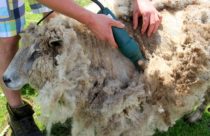 Wool is the common name applied to the soft, curly fibers obtained chiefly from the fleece of domesticated sheep, and used extensively in textile manufacturing. Wool production from sheep is affected by nutrition, climate, and care.
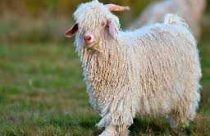 Mohair is the fleece produced by Angora goats, generally refers to a silk-like pile fabric or yarn. Most notable for its high luster and sheen, mohair takes to dye exceptionally well and can be blended with other yarns to enhance the quality of the overall textile. The Angora goat is thought to originate from the mountains of Tibet, eventually migrating to Ankara, Turkey by the 16th Century.
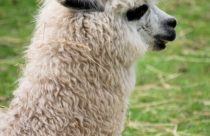 Alpaca wool is a soft, warmth, and lightweight fiber sheared from Alpaca, a member of the biological family of Camelidae, has loft and is well suited for knitted and crocheted products as well as woven applications. Alpaca fiber has brightness and crimp. The fiber is known for its fineness, luster, lightweight and insulating qualities.
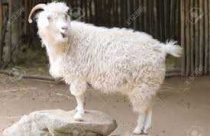 Angora Wool is a soft keratinous textile material, produced by the long-haired Angora rabbit. Angora fiber is known to be well blended with lamb or sheep wool, primarily to make spinning easier, but also to improve the washing qualities and to increase versatility.
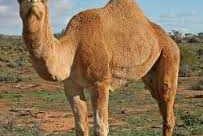 Camel hair fibers belong to the class of specialty hair fibers with unique characteristics such as luster, softness, warmth, and natural color and sourced from Camels. Camel’s hair blended with wool, silk, and synthetic fibers are considered more valuable.
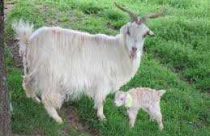 Cashmere wool is obtained from the Cashmere Goat, which is native in Tibet and in Northern India. It has been sorted according to its natural color, white, gray or brown colors. The raw fiber must be de-haired to separate the fine soft cashmere from coarse and worthless hair.
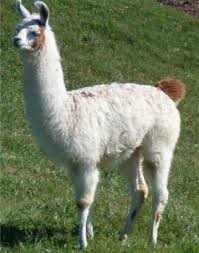 Llamas, a kind of sheep, are native to areas of high altitude and relatively cool climate with low humidity of the South American Andes. The llama is a two-coated animal. Its fine, downy undercoat gives protection from cold and heat. Llamas do vary considerably in fleece length and thickness, so the importance and frequency of shearing will depend on the individual animal as well as climate.
 Any dog fiber with a staple longer than 2-3 inches can be used to make yarn, although longer fibers are easier to spin and make for more durable garments. Shorter fibers can be carded with silk or wool to be made into yarn. Dogs with particularly long hair and dual coats, like Samoyed or Great Pyrenees are best for fiber production.
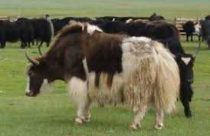 Textile products made of yak wool is highly competitive with cashmere in terms of quality. Regarded as one of the remarkable domestic animals, yak thrives in cold climatic conditions that tower the highest elevations.
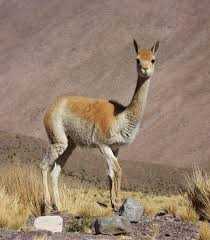 Vicuñas produce the finest animal fiber in the world. The vicuña is a South American Camelid belonging to the infra-order Tylopoda, and family Camelidae. Vicuñas are the only truly wild species that can be captured, sheared and re-released on a commercial basis. Vicuña has been protected by the International Convention for the Trade of Endangered Species (CITES) since 1973 and by the Vicuña Convention signed by Argentina, Bolivia, Chile, and Perú since 1979.
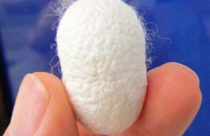 Silk fibers are natural fibrous protein-based materials, spun by Lepidoptera larvae such as silkworms, spiders, scorpions, mites, and flies. Recently silk is preferred for biomedical, textile and biotechnology industries due to its unique non-toxicity, biocompatibility, and biodegradability properties.
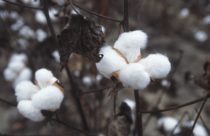 Cotton is a vegetable fiber which surrounds the seeds of the cotton plant, a shrub in the Malvaceae family. The fiber is generally transformed into yarn which is woven to manufacture fabrics. Cotton has been used for millennia in the confection of fabric, with the earliest known use dating from 12,000 years B.C. in Egypt.
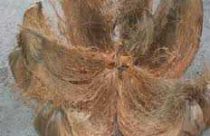 Coir is a durable fiber extracted from discarded coconut husks. Coir or coconut Fibre belongs to the group of hard structural fibers. Coir fibers are categorized in two ways.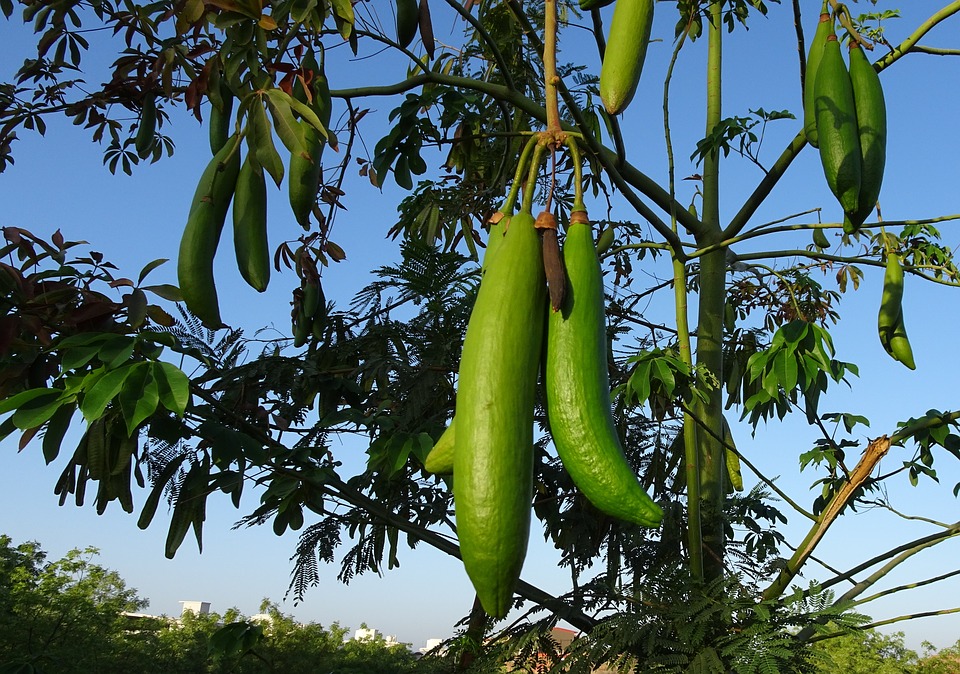
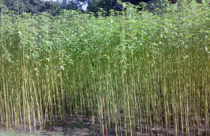 Jute is a natural fiber with golden and silky shine because of which also called as the golden fiber. It is one of the cheapest vegetable fibers obtained from the bast or skin of plant’s stem. Jute is mainly extracted from the stem of white jute plant (Corchorus capsularis) and from Tossa jute (C.olitorius).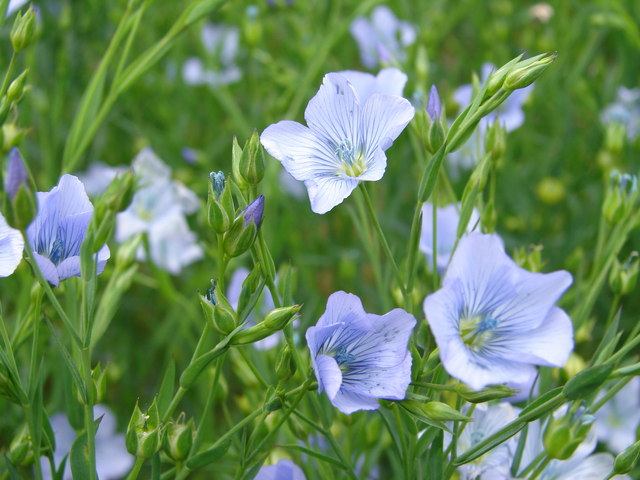
 Hemp is a fast‐growing plant that generally requires little or no chemical herbicides and pesticides. Hemp can be processed as a bast fiber, or as a regenerated fiber. Hemp is a member of the Cannabaceae family and is a plant which produces bast fibers. Hemp (also known as Cannabis) was one of the first plants to be cultivated by the human race and was previously considered to be one of the most important agricultural crops.
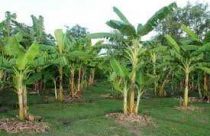 All varieties of banana plants have fibers in abundance that fall under bast fibers category. The fibers are collected after the fruit is harvested from the trunk of the banana plant (pseudostem), which usually is usually thrown as an agricultural waste.
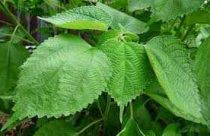 Ramie is one of the strongest natural fibers. It exhibits even greater strength when wet. Ramie fiber is known especially for its ability to hold shape, reduce wrinkling, and introduce a silky luster to the fabric appearance. It is not as durable as other fibers, and so is usually used as a blend with other fibers such as cotton or wool.
 Kenaf fiber is a natural fiber extracted from Hibiscus cannabinus L. The kenaf trunks need to be retted in order to extract the fiber. Kenaf fiber possesses excellent tensile and flexural strength when compared with other natural fibers.
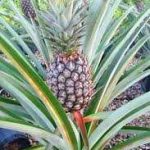 Pineapple leaf fiber is one kind of fiber derived from the leaves of the pineapple plant. From a large selection of plant fibers, pineapple leaf fibers obtained from the leaves of pineapple plant of Josapine have the highest cellulose contents which make the fibers mechanically sound.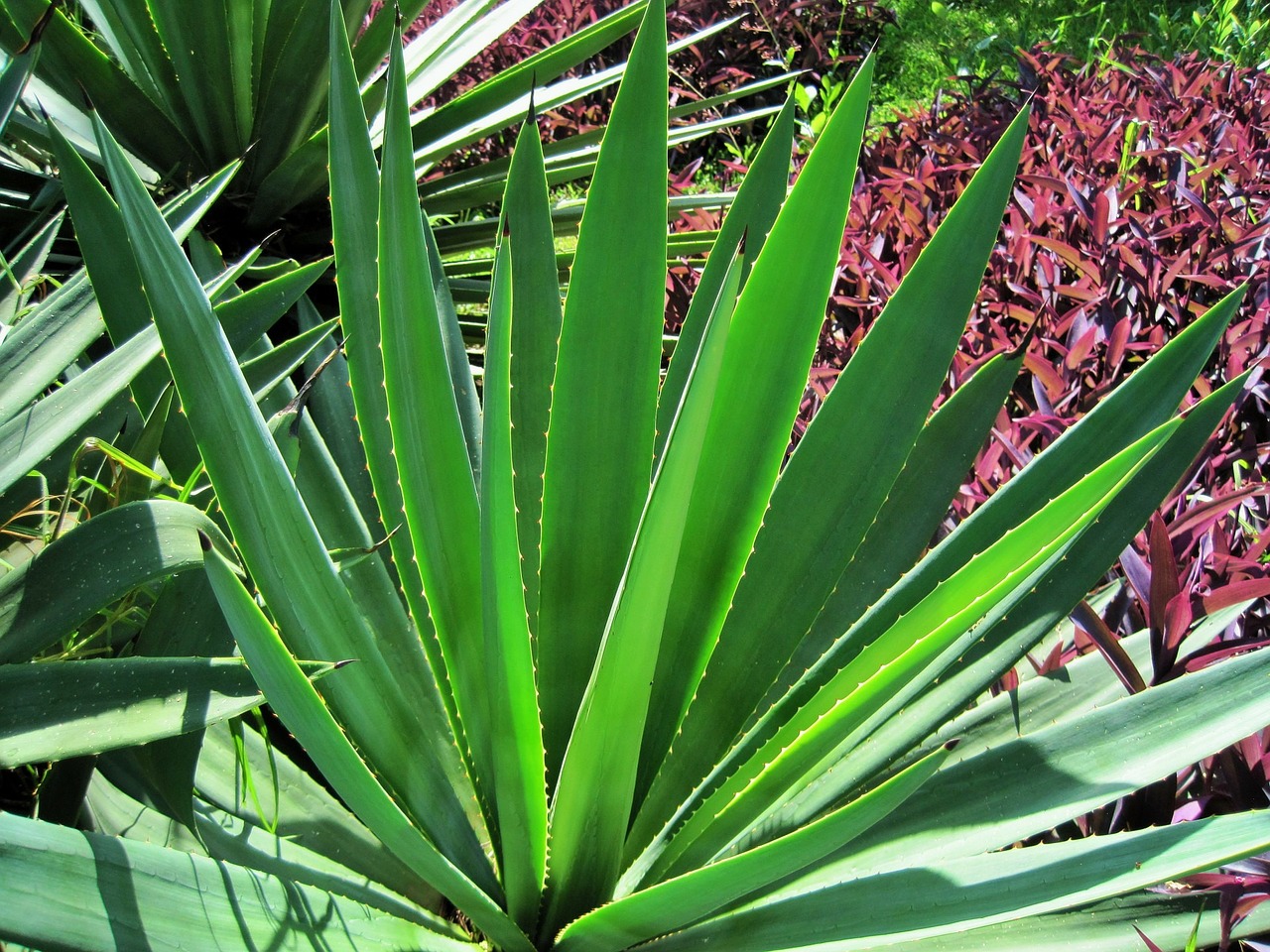
 Raffia fibers are leaf fibers obtained raffia palms. Raffia fabrics are used for everyday garments or “ceremonial costumes” among some ethnic groups of Central Africa from the coast of the Gulf of Guinea.
 Abaca is a leaf fiber which belongs to the banana family of plants with more tapering the leaves than Banana and is cheap and abundantly available. Known as Manila Hemp Abaca is a hard fiber. Abaca is the strongest of all natural fibers.
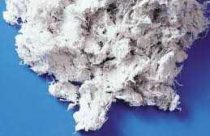 Asbestos is a mineral. It is a natural rock mined from the ground. Asbestos fibers are very light. Asbestos was used in a variety of residential and commercial building products including floor tile; ceiling tile; sound and thermal insulation; siding; roofing; spackling; plaster and stucco; and paints.
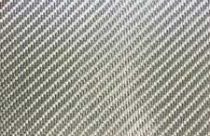 Glass melts are made by fusing (co-melting) silica with minerals, which contain the oxides needed to form a given composition. The molten mass is rapidly cooled to prevent crystallization and formed into glass fibers by a process also known as fiberization.
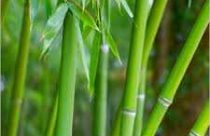 Bamboo is the vernacular term for perennial, giant woody evergreen plants in the grass family Poaceae. Bamboo is a natural lignocellulosic fiber obtained from bamboo culm. Its chemical composition is similar to bast fiber so, its structure and properties are often compared with other bast fibers such as flax and jute.
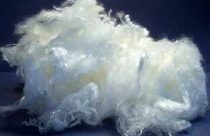 Lenzing is a company that produces Lenzing Modal® fibers, which is extracted from beech wood. Modal Fiber is very soft, shiny in nature and silk feel than mercerized cotton with the ability to absorb up to 50% more water than cotton.
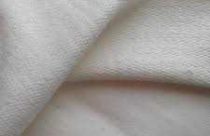 The cellulose fibers produced by direct dissolution have the generic name of lyocell. Lyocell is similar in strength to polyester and stronger than cotton and all other man-made staple fiber cellulosic. It also has very high dry and a wet module for cellulosic fiber in both the dry and wet states.
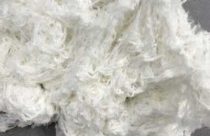 In the production of Rayon Fiber, purified cellulose is chemically converted into a soluble compound. A solution of this compound is passed through the spinneret to form soft filaments that are then converted or “regenerated” into almost pure cellulose. Because of the reconversion of the soluble compound to cellulose, Rayon is referred to as a regenerated cellulose fiber.
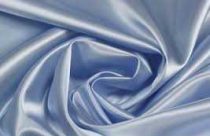 There are two types of cellulose-based fibers; regenerated/pure cellulose (such as the fibers from the cupro-ammonium process) and modified cellulose (such as the cellulose acetates and rayon).
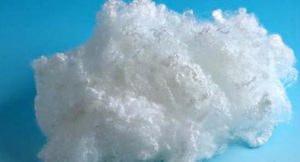 Polyester is a Synthetic, Non-Renewable Fiber derived from petroleum. Polyester has surpassed cotton as the most commonly produced fiber. They are used in varying applications ranging from apparel, home textiles or can be processed to be used in industrial applications.
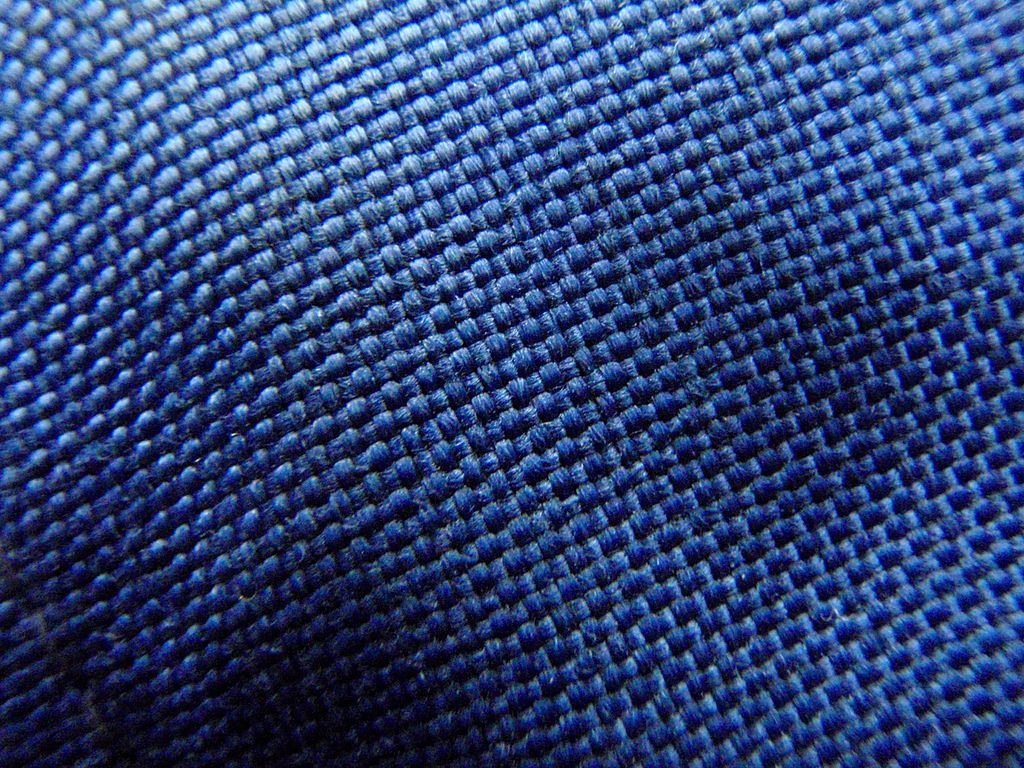 Nylon a Polyamide, it is a condensation polymer. Nylon is thermoplastic silky materials that can be melt processed into fibers, films or shapes. Nylon is a tough material that is difficult to tear and exhibits excellent abrasion resistance. Nylon fibers were the first truly synthesized manufactured fibers; introduced in the 1930s as a replacement for boar bristles in toothbrushes, nylon fiber quickly found itself adapted into several forms of manufactured items.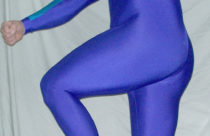
 Kevlar aramid fiber was developed by DuPont scientists researching liquid crystalline polymer solutions. Kevlar is a manmade fiber, it as an organic fiber in aromatic polyamide family. Kevlar is made by a condensation reaction of an amine (1, 4-phenylenediamine) and acid chloride (terephthaloyl chloride).