
A textile is a flexible material consisting of a network of natural or artificial fibers (yarn or thread). Yarn is produced by spinning raw fibers of wool, flax, cotton, hemp, or other materials to produce long strands. Textiles are formed by weaving, knitting, crocheting, knotting, felting, or braiding.
The related words "fabric" and "cloth"are often used in textile assembly trades (such as tailoring and dressmaking) as synonyms for textile. However, there are subtle differences in these terms in specialized usage. A textile is any material made of interlacing fibers, including carpeting and geo textiles. A fabric is a material made through weaving, knitting, spreading, crocheting, or bonding that may be used in production of further goods (garments, etc.). Cloth may be used synonymously with fabric but is often a piece of fabric that has been processed
History
The first clothes, worn at least 70,000 years ago and perhaps much earlier, were probably made of animal skins and helped protect early humans from the ice ages. Then at some point people learned to weave plant fibers into textiles.
The discovery of dyed flax fibres in a cave in the Republic of Georgia dated to 34,000 BCE suggests textile-like materials were made even in prehistoric times.
The production of textiles is a craft whose speed and scale of production has been altered almost beyond recognition by industrialization and the introduction of modern manufacturing techniques. However, for the main types of textiles,
plain weave, twill, or satin weave, there is little difference between the ancient and modern methods.
Uses
Textiles have an assortment of uses, the most common of which are for clothing and for containers such as bags and baskets. In the household they are used in carpeting, upholstered furnishings, window shades, towels, coverings for tables, beds, and other flat surfaces, and in art. In the workplace they are used in industrial and scientific processes such as filtering. Miscellaneous uses include flags, backpacks, tents, nets, handkerchiefs, cleaning rags, transportation devices such as balloons, kites, sails, and parachutes; textiles are also used to provide strengthening in composite materials such as fibreglass and industrial geotextiles. Textiles are used in many traditional crafts such as sewing, quilting and embroidery. Textiles for industrial purposes, and chosen for characteristics other than their appearance, are commonly referred to as technical textiles. Technical textiles include textile structures for automotive applications, medical textiles (e.g. implants), geotextiles (reinforcement of embankments), agrotextiles (textiles for crop protection), protective clothing (e.g. against heat and radiation for fire fighter clothing, against molten metals for welders, stab protection, and bullet proof vests). In all these applications stringent performance requirements must be met. Woven of threads coated with zinc oxide nanowires, laboratory fabric has been shown capable of "self-powering nanosystems" using vibrations created by everyday actions like wind or body movements.
Sources and types
Textiles are made from many materials, with four main sources: animal (wool, silk), plant (cotton, flax, jute), mineral (asbestos, glass fibre), and synthetic (nylon, polyester, acrylic). The first three are natural. In the 20th century, they were supplemented by artificial fibres made from petroleum.Textiles are made in various strengths and degrees of durability, from the finest microfibre made of strands thinner than one denier to the sturdiest canvas. Textile manufacturing terminology has a wealth of descriptive terms, from light gauze-like gossamer to heavy grosgrain cloth and beyond.
Animal
Animal textiles are commonly made from hair, fur, skin or silk (in the silkworms case).Wool refers to the hair of the domestic goat or sheep, which is distinguished from other types of animal hair in that the individual strands are coated with scales and tightly crimped, and the wool as a whole is coated with a wax mixture known as lanolin (sometimes called wool grease), which is waterproof and dirtproof.Woollen refers to a bulkier yarn produced from carded, non-parallel fibre, while worsted refers to a finer yarn spun from longer fibres which have been combed to be parallel. Wool is commonly used for warm clothing. Cashmere, the hair of the Indian cashmere goat, and mohair, the hair of the North African angora goat, are types of wool known for their softness.
Other animal textiles which are made from hair or fur are alpaca wool, vicuña wool, llama wool, and camel hair, generally used in the production of coats, jackets, ponchos, blankets, and other warm coverings. Angora refers to the long, thick, soft hair of the angora rabbit. Qiviut is the fine inner wool of the muskox.
Wadmal is a coarse cloth made of wool, produced in Scandinavia, mostly 1000~1500 CE.
Sea silk is an extremely fine, rare, and valuable fabric that is made from the silky filaments or byssus secreted by a gland in the foot of pen shells.
Silk is an animal textile made from the fibres of the cocoon of the Chinese silkworm which is spun into a smooth fabric prized for its softness. There are two main types of the silk: 'mulberry silk' produced by the Bombyx Mori, and 'wild silk' such as Tussah silk. Silkworm larvae produce the first type if cultivated in habitats with fresh mulberry leaves for consumption, while Tussah silk is produced by silkworms feeding purely on oak leaves. Around four-fifths of the world's silk production consists of cultivated silk.
Plant
Grass, rush, hemp, and sisal are all used in making rope. In the first two, the entire plant is used for this purpose, while in the last two, only fibres from the plant are utilized. Coir (coconut fibre) is used in making twine, and also in floormats, doormats, brushes, mattresses, floor tiles, and sacking.Straw and bamboo are both used to make hats. Straw, a dried form of grass, is also used for stuffing, as is kapok.
Fibres from pulpwood trees, cotton, rice, hemp, and nettle are used in making paper.
Cotton, flax, jute, hemp, modal and even bamboo fibre are all used in clothing. Piña (pineapple fibre) and ramie are also fibres used in clothing, generally with a blend of other fibres such as cotton. Nettles have also been used to make a fibre and fabric very similar to hemp or flax. The use of milkweed stalk fibre has also been reported, but it tends to be somewhat weaker than other fibres like hemp or flax.
The inner bark of the lacebark tree is a fine netting that has been used to make clothing and accessories as well as utilitarian articles such as rope.
Acetate is used to increase the shininess of certain fabrics such as silks, velvets, and taffetas.
Seaweed is used in the production of textiles: a water-soluble fibre known as alginate is produced and is used as a holding fibre; when the cloth is finished, the alginate is dissolved, leaving an open area.
Lyocell is a synthetic fabric derived from wood pulp. It is often described as a synthetic silk equivalent; it is a tough fabric that is often blended with other fabrics – cotton, for example.
Fibres from the stalks of plants, such as hemp, flax, and nettles, are also known as 'bast' fibres.
Mineral
Asbestos and basalt fibre are used for vinyl tiles, sheeting and adhesives, "transite" panels and siding, acoustical ceilings, stage curtains, and fire blankets.Glass fibre is used in the production of ironing board and mattress covers, ropes and cables, reinforcement fibre for composite materials, insect netting, flame-retardant and protective fabric, soundproof, fireproof, and insulating fibres. Glass fibres are woven and coated with Teflon to produce beta cloth, a virtually fireproof fabric which replaced nylon in the outer layer of United States space suits since 1968.
Metal fibre, metal foil, and metal wire have a variety of uses, including the production of cloth-of-gold and jewellery. Hardware cloth (US term only) is a coarse woven mesh of steel wire, used in construction. It is much like standard window screening, but heavier and with a more open weave.
Minerals and natural and synthetic fabrics may be combined, as in emery cloth, a layer of emery abrasive glued to a cloth backing. Also, "sand cloth" is a U.S. term for fine wire mesh with abrasive glued to it, employed like emery cloth or coarse sandpaper.
Synthetic
Synthetic textiles are used primarily in the production of clothing, as well as the manufacture of geotextiles.Polyester fibre is used in all types of clothing, either alone or blended with fibres such as cotton.
Aramid fibre (e.g. Twaron) is used for flame-retardant clothing, cut-protection, and armour.
Acrylic is a fibre used to imitate wools, including cashmere, and is often used in replacement of them.
Nylon is a fibre used to imitate silk; it is used in the production of pantyhose. Thicker nylon fibres are used in rope and outdoor clothing.
Spandex (trade name Lycra) is a polyurethane product that can be made tight-fitting without impeding movement. It is used to make activewear, bras, and swimsuits.
Olefin fibre is a fibre used in activewear, linings, and warm clothing. Olefins are hydrophobic, allowing them to dry quickly. A sintered felt of olefin fibres is sold under the trade name Tyvek.
Ingeo is a polylactide fibre blended with other fibres such as cotton and used in clothing. It is more hydrophilic than most other synthetics, allowing it to wick away perspiration.
Lurex is a metallic fibre used in clothing embellishment.
Milk proteins have also been used to create synthetic fabric. Milk or casein fibre cloth was developed during World War I in Germany, and further developed in Italy and America during the 1930s.Milk fibre fabric is not very durable and wrinkles easily, but has a pH similar to human skin and possesses anti-bacterial properties. It is marketed as a biodegradable, renewable synthetic fibre.
Carbon fibre is mostly used in composite materials, together with resin, such as carbon fibre reinforced plastic. The fibres are made from polymer fibres through carbonization.
Production methods
| Top five exporters of textiles—2013 ($ billion) | |
|---|---|
| China | 274 |
| India | 40 |
| Italy | 36 |
| Germany | 35 |
| Bangladesh | 28 |
Knitting, looping, and crocheting involve interlacing loops of yarn, which are formed either on a knitting needle, needle, or on a crochet hook, together in a line. The processes are different in that knitting has several active loops at one time, on the knitting needle waiting to interlock with another loop, while Looping and crocheting never have more than one active loop on the needle. Knitting can be performed by machine, but crochet can only be performed by hand.
Spread Tow is a production method where the yarn are spread into thin tapes, and then the tapes are woven as warp and weft. This method is mostly used for composite materials; spread tow fabrics can be made in carbon, aramide, etc.
Braiding or plaiting involves twisting threads together into cloth. Knotting involves tying threads together and is used in making macrame.
Lace is made by interlocking threads together independently, using a backing and any of the methods described above, to create a fine fabric with open holes in the work. Lace can be made by either hand or machine.
Carpets, rugs, velvet, velour, and velveteen are made by interlacing a secondary yarn through woven cloth, creating a tufted layer known as a nap or pile.
Felting involves pressing a mat of fibres together, and working them together until they become tangled. A liquid, such as soapy water, is usually added to lubricate the fibres, and to open up the microscopic scales on strands of wool.
Nonwoven textiles are manufactured by the bonding of fibres to make fabric. Bonding may be thermal or mechanical, or adhesives can be used.
Bark cloth is made by pounding bark until it is soft and flat.
Treatments
Textiles are often dyed, with fabrics available in almost every colour. The dyeing process often requires several dozen gallons of water for each pound of clothing.Coloured designs in textiles can be created by weaving together fibres of different colours (tartan or Uzbek Ikat), adding coloured stitches to finished fabric (embroidery), creating patterns by resist dyeing methods, tying off areas of cloth and dyeing the rest (tie-dyeing), or drawing wax designs on cloth and dyeing in between them (batik), or using various printing processes on finished fabric. Woodblock printing, still used in India and elsewhere today, is the oldest of these dating back to at least 220 CE in China. Textiles are also sometimes bleached, making the textile pale or white.Textiles are sometimes finished by chemical processes to change their characteristics. In the 19th century and early 20th century starching was commonly used to make clothing more resistant to stains and wrinkles.
Eisengarn, meaning "iron yarn" in English, is a light-reflecting, strong material invented in Germany in the 19th century. It is made by soaking cotton threads in a starch and paraffin wax solution. The threads are then stretched and polished by steel rollers and brushes. The end result of the process is a lustrous, tear-resistant yarn which is extremely hardwearing.
Since the 1990s, with advances in technologies such as permanent press process, finishing agents have been used to strengthen fabrics and make them wrinkle free. More recently, nanomaterials research has led to additional advancements, with companies such as Nano-Tex and NanoHorizons developing permanent treatments based on metallic nanoparticles for making textiles more resistant to things such as water, stains, wrinkles, and pathogens such as bacteria and fungi.
Textiles receive a range of treatments before they reach the end-user. From formaldehyde finishes (to improve crease-resistance) to biocidic finishes and from flame retardants to dyeing of many types of fabric, the possibilities are almost endless. However, many of these finishes may also have detrimental effects on the end user. A number of disperse, acid and reactive dyes (for example) have been shown to be allergenic to sensitive individuals. Further to this, specific dyes within this group have also been shown to induce purpuric contact dermatitis.
Although formaldehyde levels in clothing are unlikely to be at levels high enough to cause an allergic reaction, due to the presence of such a chemical, quality control and testing are of utmost importance. Flame retardants (mainly in the brominated form) are also of concern where the environment, and their potential toxicity, are concerned. Testing for these additives is possible at a number of commercial laboratories, it is also possible to have textiles tested for according to the Oeko-tex certification standard which contains limits levels for the use of certain chemicals in textiles products.

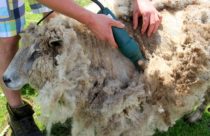 Wool is the common name applied to the soft, curly fibers obtained chiefly from the fleece of domesticated sheep, and used extensively in textile manufacturing. Wool production from sheep is affected by nutrition, climate, and care.
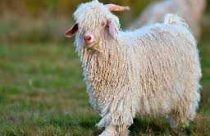 Mohair is the fleece produced by Angora goats, generally refers to a silk-like pile fabric or yarn. Most notable for its high luster and sheen, mohair takes to dye exceptionally well and can be blended with other yarns to enhance the quality of the overall textile. The Angora goat is thought to originate from the mountains of Tibet, eventually migrating to Ankara, Turkey by the 16th Century.
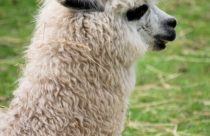 Alpaca wool is a soft, warmth, and lightweight fiber sheared from Alpaca, a member of the biological family of Camelidae, has loft and is well suited for knitted and crocheted products as well as woven applications. Alpaca fiber has brightness and crimp. The fiber is known for its fineness, luster, lightweight and insulating qualities.
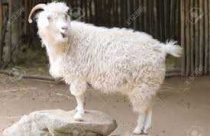 Angora Wool is a soft keratinous textile material, produced by the long-haired Angora rabbit. Angora fiber is known to be well blended with lamb or sheep wool, primarily to make spinning easier, but also to improve the washing qualities and to increase versatility.
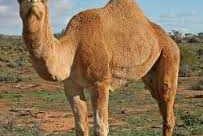 Camel hair fibers belong to the class of specialty hair fibers with unique characteristics such as luster, softness, warmth, and natural color and sourced from Camels. Camel’s hair blended with wool, silk, and synthetic fibers are considered more valuable.
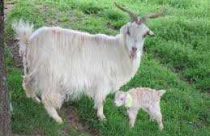 Cashmere wool is obtained from the Cashmere Goat, which is native in Tibet and in Northern India. It has been sorted according to its natural color, white, gray or brown colors. The raw fiber must be de-haired to separate the fine soft cashmere from coarse and worthless hair.
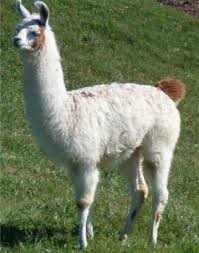 Llamas, a kind of sheep, are native to areas of high altitude and relatively cool climate with low humidity of the South American Andes. The llama is a two-coated animal. Its fine, downy undercoat gives protection from cold and heat. Llamas do vary considerably in fleece length and thickness, so the importance and frequency of shearing will depend on the individual animal as well as climate.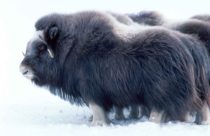
 Any dog fiber with a staple longer than 2-3 inches can be used to make yarn, although longer fibers are easier to spin and make for more durable garments. Shorter fibers can be carded with silk or wool to be made into yarn. Dogs with particularly long hair and dual coats, like Samoyed or Great Pyrenees are best for fiber production.
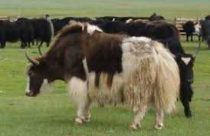 Textile products made of yak wool is highly competitive with cashmere in terms of quality. Regarded as one of the remarkable domestic animals, yak thrives in cold climatic conditions that tower the highest elevations.
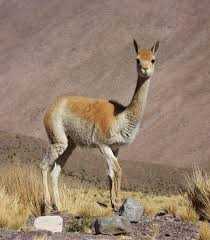 Vicuñas produce the finest animal fiber in the world. The vicuña is a South American Camelid belonging to the infra-order Tylopoda, and family Camelidae. Vicuñas are the only truly wild species that can be captured, sheared and re-released on a commercial basis. Vicuña has been protected by the International Convention for the Trade of Endangered Species (CITES) since 1973 and by the Vicuña Convention signed by Argentina, Bolivia, Chile, and Perú since 1979.
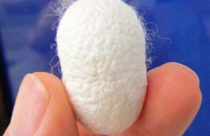 Silk fibers are natural fibrous protein-based materials, spun by Lepidoptera larvae such as silkworms, spiders, scorpions, mites, and flies. Recently silk is preferred for biomedical, textile and biotechnology industries due to its unique non-toxicity, biocompatibility, and biodegradability properties.
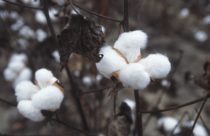 Cotton is a vegetable fiber which surrounds the seeds of the cotton plant, a shrub in the Malvaceae family. The fiber is generally transformed into yarn which is woven to manufacture fabrics. Cotton has been used for millennia in the confection of fabric, with the earliest known use dating from 12,000 years B.C. in Egypt.
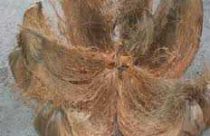 Coir is a durable fiber extracted from discarded coconut husks. Coir or coconut Fibre belongs to the group of hard structural fibers. Coir fibers are categorized in two ways.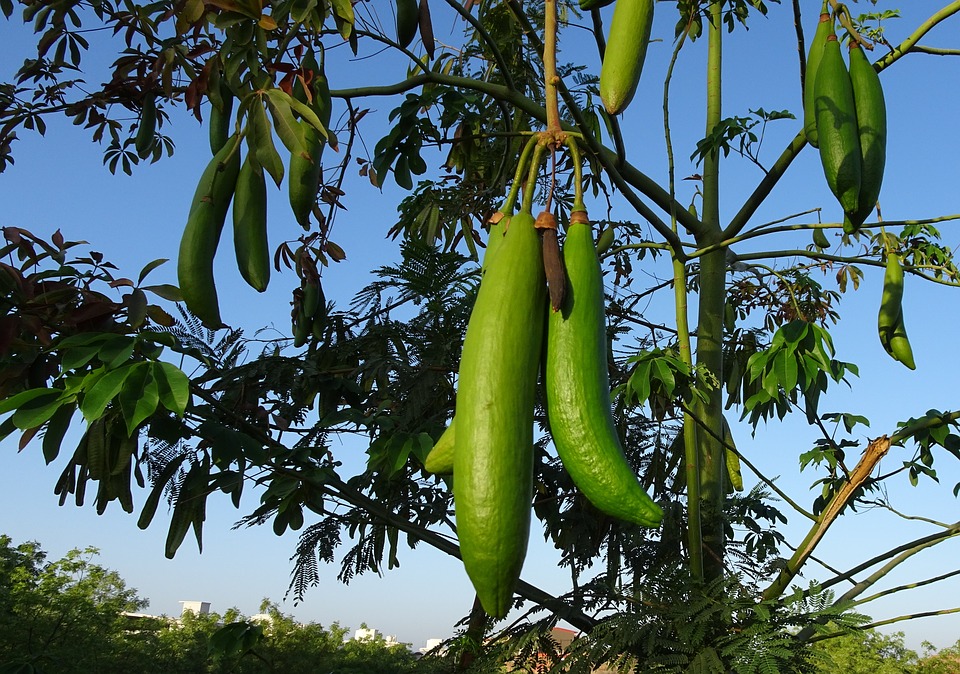
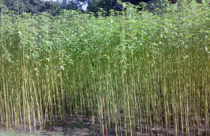 Jute is a natural fiber with golden and silky shine because of which also called as the golden fiber. It is one of the cheapest vegetable fibers obtained from the bast or skin of plant’s stem. Jute is mainly extracted from the stem of white jute plant (Corchorus capsularis) and from Tossa jute (C.olitorius).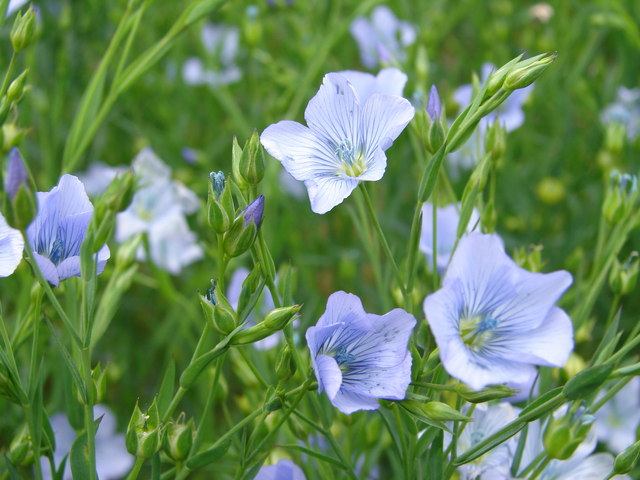
 Hemp is a fast‐growing plant that generally requires little or no chemical herbicides and pesticides. Hemp can be processed as a bast fiber, or as a regenerated fiber. Hemp is a member of the Cannabaceae family and is a plant which produces bast fibers. Hemp (also known as Cannabis) was one of the first plants to be cultivated by the human race and was previously considered to be one of the most important agricultural crops.
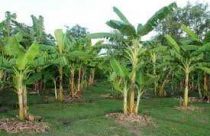 All varieties of banana plants have fibers in abundance that fall under bast fibers category. The fibers are collected after the fruit is harvested from the trunk of the banana plant (pseudostem), which usually is usually thrown as an agricultural waste.
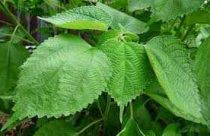 Ramie is one of the strongest natural fibers. It exhibits even greater strength when wet. Ramie fiber is known especially for its ability to hold shape, reduce wrinkling, and introduce a silky luster to the fabric appearance. It is not as durable as other fibers, and so is usually used as a blend with other fibers such as cotton or wool.
 Kenaf fiber is a natural fiber extracted from Hibiscus cannabinus L. The kenaf trunks need to be retted in order to extract the fiber. Kenaf fiber possesses excellent tensile and flexural strength when compared with other natural fibers.
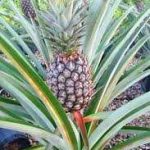 Pineapple leaf fiber is one kind of fiber derived from the leaves of the pineapple plant. From a large selection of plant fibers, pineapple leaf fibers obtained from the leaves of pineapple plant of Josapine have the highest cellulose contents which make the fibers mechanically sound.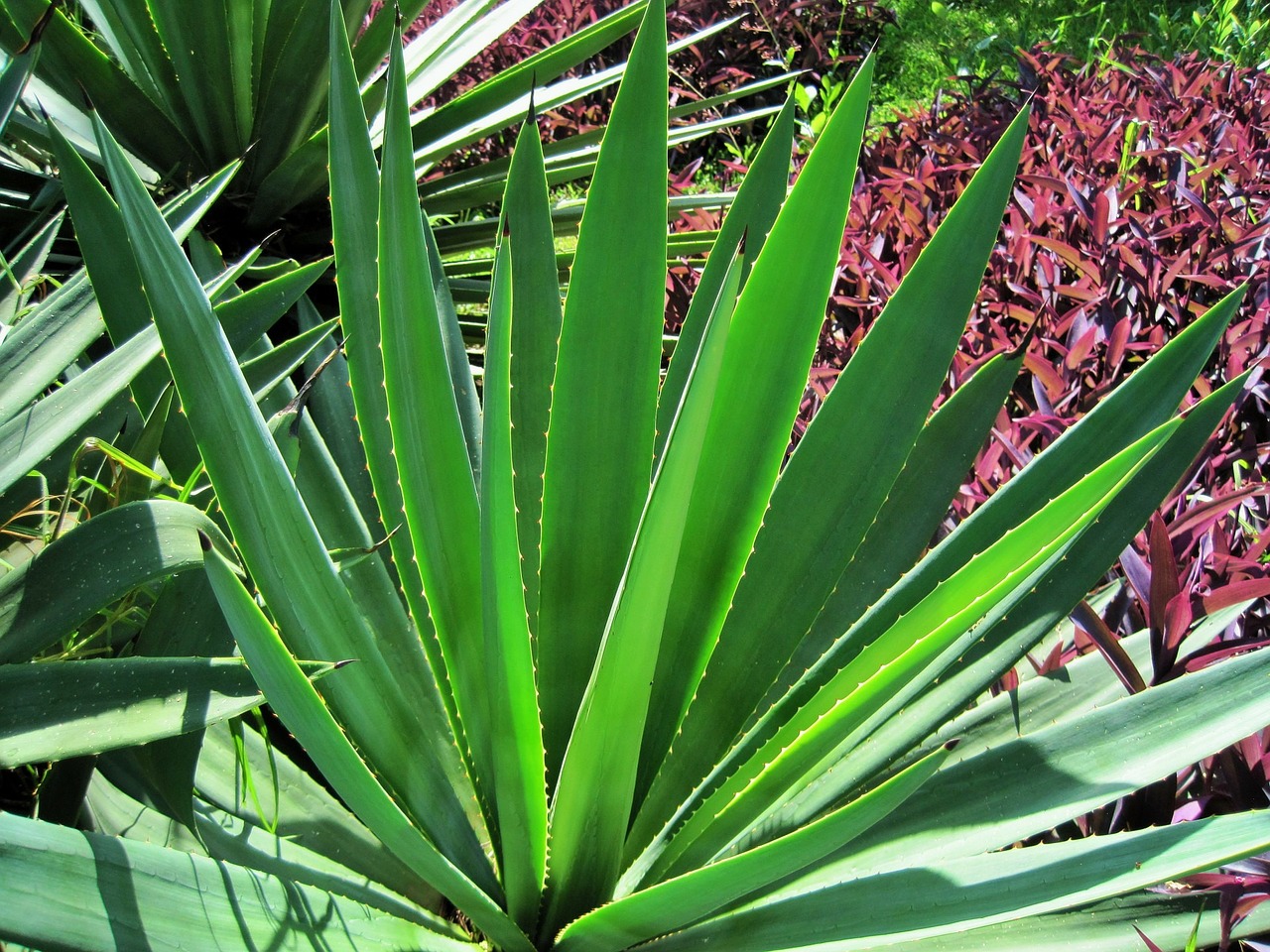
 Raffia fibers are leaf fibers obtained raffia palms. Raffia fabrics are used for everyday garments or “ceremonial costumes” among some ethnic groups of Central Africa from the coast of the Gulf of Guinea.
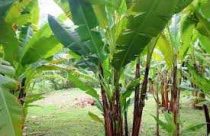 Abaca is a leaf fiber which belongs to the banana family of plants with more tapering the leaves than Banana and is cheap and abundantly available. Known as Manila Hemp Abaca is a hard fiber. Abaca is the strongest of all natural fibers.
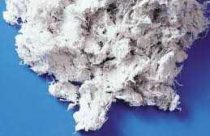 Asbestos is a mineral. It is a natural rock mined from the ground. Asbestos fibers are very light. Asbestos was used in a variety of residential and commercial building products including floor tile; ceiling tile; sound and thermal insulation; siding; roofing; spackling; plaster and stucco; and paints.
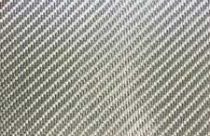 Glass melts are made by fusing (co-melting) silica with minerals, which contain the oxides needed to form a given composition. The molten mass is rapidly cooled to prevent crystallization and formed into glass fibers by a process also known as fiberization.
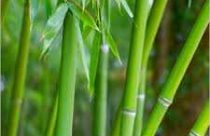 Bamboo is the vernacular term for perennial, giant woody evergreen plants in the grass family Poaceae. Bamboo is a natural lignocellulosic fiber obtained from bamboo culm. Its chemical composition is similar to bast fiber so, its structure and properties are often compared with other bast fibers such as flax and jute.
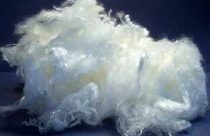 Lenzing is a company that produces Lenzing Modal® fibers, which is extracted from beech wood. Modal Fiber is very soft, shiny in nature and silk feel than mercerized cotton with the ability to absorb up to 50% more water than cotton.
 The cellulose fibers produced by direct dissolution have the generic name of lyocell. Lyocell is similar in strength to polyester and stronger than cotton and all other man-made staple fiber cellulosic. It also has very high dry and a wet module for cellulosic fiber in both the dry and wet states.
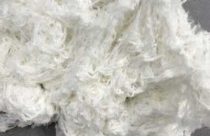 In the production of Rayon Fiber, purified cellulose is chemically converted into a soluble compound. A solution of this compound is passed through the spinneret to form soft filaments that are then converted or “regenerated” into almost pure cellulose. Because of the reconversion of the soluble compound to cellulose, Rayon is referred to as a regenerated cellulose fiber.
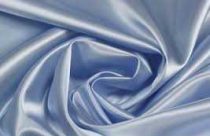 There are two types of cellulose-based fibers; regenerated/pure cellulose (such as the fibers from the cupro-ammonium process) and modified cellulose (such as the cellulose acetates and rayon).
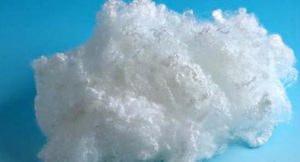 Polyester is a Synthetic, Non-Renewable Fiber derived from petroleum. Polyester has surpassed cotton as the most commonly produced fiber. They are used in varying applications ranging from apparel, home textiles or can be processed to be used in industrial applications.
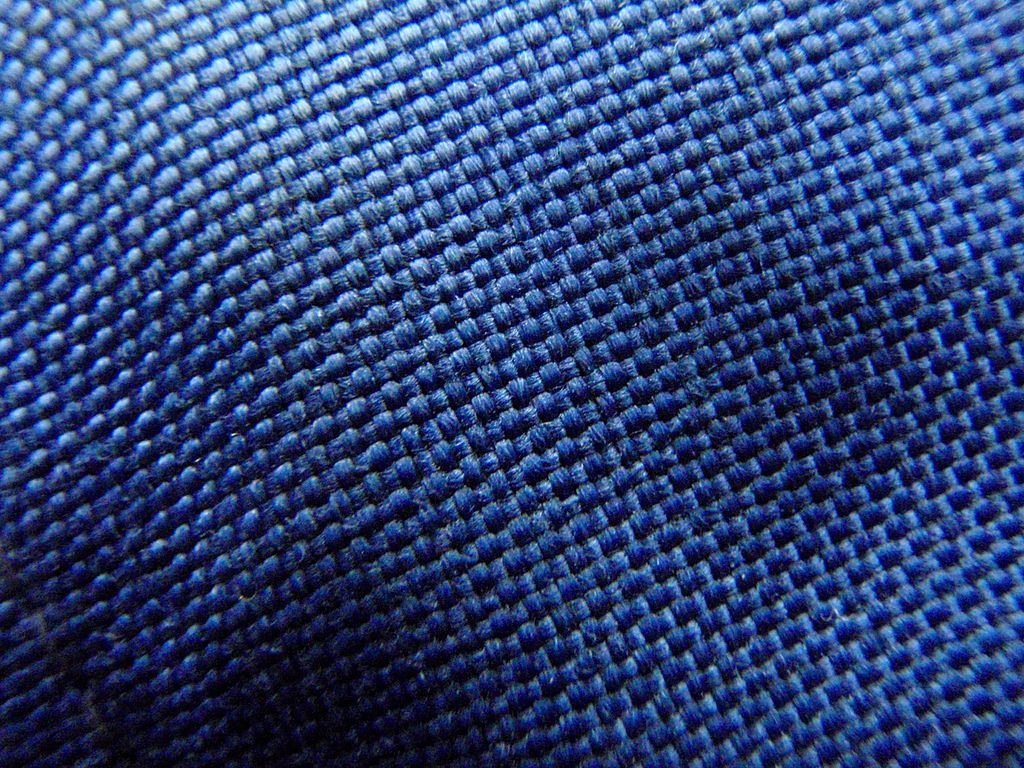 Nylon a Polyamide, it is a condensation polymer. Nylon is thermoplastic silky materials that can be melt processed into fibers, films or shapes. Nylon is a tough material that is difficult to tear and exhibits excellent abrasion resistance. Nylon fibers were the first truly synthesized manufactured fibers; introduced in the 1930s as a replacement for boar bristles in toothbrushes, nylon fiber quickly found itself adapted into several forms of manufactured items.
 Kevlar aramid fiber was developed by DuPont scientists researching liquid crystalline polymer solutions. Kevlar is a manmade fiber, it as an organic fiber in aromatic polyamide family. Kevlar is made by a condensation reaction of an amine (1, 4-phenylenediamine) and acid chloride (terephthaloyl chloride).